Introduction
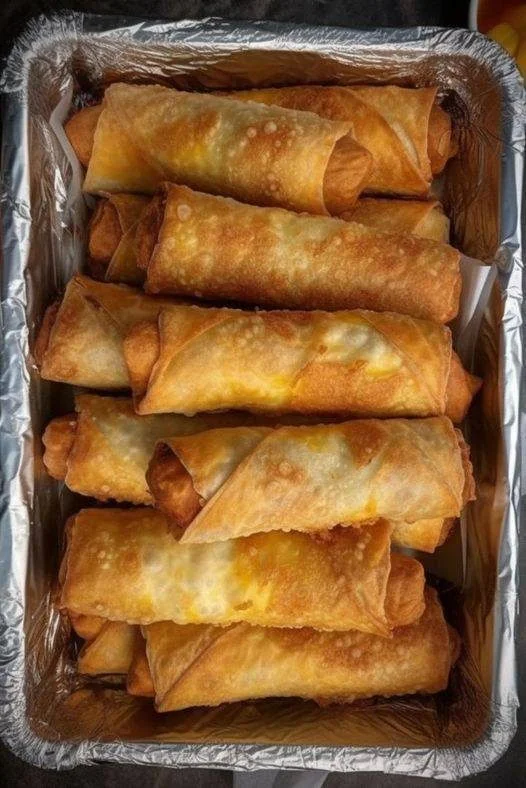
Egg rolls are one of those universally loved foods that seem simple on the surface but have just enough technique behind them to make the difference between “pretty good” and “completely irresistible.” The version you brought to the party looks like the golden, blistered, perfectly fried kind—crisp on the outside with a savory, well-seasoned filling inside. This recipe walks you through every step, from choosing ingredients to wrapping and frying, along with tips to ensure your egg rolls come out consistently excellent.
Ingredients
For the Filling
- 1 lb ground pork (or chicken, turkey, or shrimp)
- 2 cups finely shredded green cabbage
- 1 cup shredded carrots
- 3 green onions, thinly sliced
- 2 cloves garlic, minced
- 1 tablespoon fresh ginger, grated
- 2 tablespoons soy sauce
- 1 tablespoon oyster sauce
- 1 teaspoon sesame oil
- ½ teaspoon black pepper
- ½ teaspoon salt (adjust to taste)
- 1 tablespoon cornstarch (helps bind the filling slightly)
- 1 tablespoon vegetable oil (for sautéing)
For Wrapping
- 15–20 egg roll wrappers (square, usually found in refrigerated section)
- Small bowl of water (for sealing)
For Frying
- 3–4 cups vegetable oil (or any neutral oil like canola or peanut)
Equipment
- Large skillet or wok
- Mixing bowl
- Tongs or slotted spoon
- Paper towels
- Deep pot or fryer
- Thermometer (optional but helpful)
Step 1: Preparing the Filling
Start by heating a tablespoon of vegetable oil in a large skillet over medium-high heat. Add the minced garlic and grated ginger first. Stir for about 30 seconds until fragrant, being careful not to burn them.
Next, add the ground pork. Break it apart with a spatula and cook until browned and fully cooked through. This usually takes about 5–7 minutes. If there’s excess grease, drain most of it off, but leave a little for flavor.
Add the cabbage, carrots, and green onions to the skillet. Stir everything together and cook for another 3–4 minutes until the vegetables soften slightly but still retain some texture. You don’t want them mushy, as they will continue cooking later.
Now add soy sauce, oyster sauce, sesame oil, salt, and pepper. Stir well to distribute the seasoning evenly.
Sprinkle in the cornstarch and mix thoroughly. This helps absorb moisture and keeps the filling from becoming watery inside the wrapper.
Remove the mixture from heat and let it cool completely. This step is important because hot filling can make the wrappers soggy and harder to work with.
Step 2: Setting Up the Wrapping Station
Lay out your egg roll wrappers on a clean, dry surface. Keep a small bowl of water nearby to seal the edges.
Position one wrapper like a diamond shape (one corner pointing toward you). Place about 2–3 tablespoons of filling in the lower third of the wrapper. Avoid overfilling, as this can cause the rolls to burst during frying.
Step 3: Wrapping the Egg Rolls
- Fold the bottom corner up over the filling.
- Fold in the left and right corners tightly toward the center.
- Roll upward, keeping the roll snug but not overly tight.
- Before sealing the top corner, dab a bit of water along the edge to help it stick.
- Finish rolling and press gently to seal.
Repeat this process for all egg rolls. Place finished rolls seam-side down on a tray.
Step 4: Heating the Oil
Pour oil into a deep pot or fryer, making sure it’s deep enough to submerge the egg rolls.
Heat the oil to 350°F (175°C). If you don’t have a thermometer, test by dropping in a small piece of wrapper—if it sizzles and rises to the top quickly, the oil is ready.
Maintaining the right temperature is key. Too hot and the wrappers will burn before the inside heats through; too cool and the rolls will absorb excess oil and become greasy.
Step 5: Frying the Egg Rolls
Carefully place a few egg rolls into the hot oil, making sure not to overcrowd the pot. Fry in batches if necessary.
Cook for about 3–5 minutes, turning occasionally, until they are evenly golden brown and crispy.
Use tongs or a slotted spoon to remove them and place on a paper towel-lined plate to drain excess oil.
Step 6: Serving
Egg rolls are best served hot and fresh. Pair them with dipping sauces like:
- Sweet chili sauce
- Soy sauce with a splash of vinegar
- Hot mustard
- Duck sauce
Arrange them on a platter and serve immediately. If you’re bringing them to a party again, consider making a slightly larger batch—you’ve already seen how quickly they disappear.
Tips for Perfect Egg Rolls
1. Keep Wrappers Covered
Egg roll wrappers dry out quickly. Keep them covered with a damp cloth while you work.
2. Don’t Overfill
Too much filling can cause bursting during frying. A modest amount ensures even cooking and a better seal.
3. Seal Properly
Water works well as a glue, but make sure the edges are pressed firmly.
4. Fry in Batches
Overcrowding lowers oil temperature and results in soggy egg rolls.
5. Double Fry for Extra Crispiness
For an ultra-crispy texture, fry once at 325°F, let them rest, then fry again at 375°F briefly before serving.
Variations
Vegetarian Version
Replace meat with:
- Mushrooms
- Tofu
- Bean sprouts
- Extra cabbage and carrots
Shrimp Egg Rolls
Use chopped shrimp instead of pork, and reduce cooking time slightly.
Spicy Version
Add chili garlic sauce or crushed red pepper flakes to the filling.
Storage and Reheating
Refrigeration
Store cooked egg rolls in an airtight container for up to 3 days.
Freezing
You can freeze uncooked egg rolls. Lay them flat on a tray until frozen, then transfer to a freezer bag. Fry directly from frozen, adding an extra minute or two to cooking time.
Reheating
Reheat in an oven or air fryer at 375°F until crisp again. Avoid microwaving, as it makes them soft.
Final Thoughts
The reason your tray was empty so quickly is simple: crispy egg rolls hit that perfect combination of texture and flavor that people instinctively go back for. The crunch of the wrapper, the savory filling, and the aroma from frying all come together in a way that makes them hard to resist.