Homemade Artisan White Bread Recipe (Bakery-Style Loaf at Home)
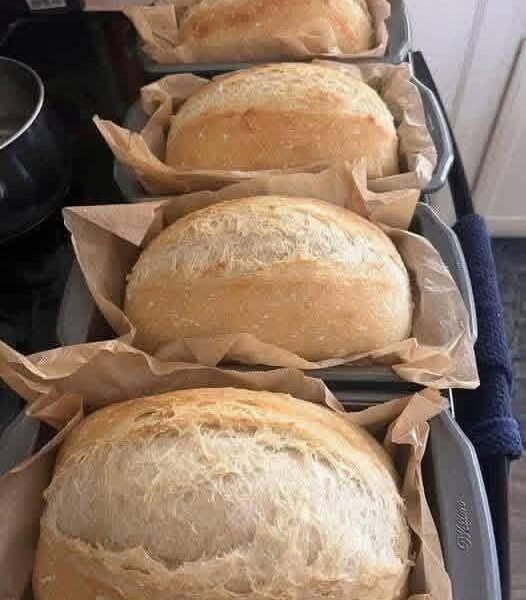
Few things compare to the smell of freshly baked bread filling your kitchen. The image above showcases beautifully risen, golden-brown loaves—proof that bakery-quality bread at home is not only possible but surprisingly achievable. This homemade artisan white bread recipe delivers a crisp crust, fluffy crumb, and rich flavor using simple pantry ingredients.
Whether you’re searching for easy homemade bread, no-fail yeast bread, or high-protein sandwich bread, this recipe checks every box. It’s ideal for beginners and experienced home bakers alike.
Why This Homemade Bread Recipe Works
This recipe focuses on:
-
Proper gluten development
-
Slow fermentation for flavor
-
High hydration for soft texture
-
Even baking using loaf pans
The result is soft white bread with a rustic artisan finish, perfect for sandwiches, toast, grilled cheese, or French toast.
High-value baking keywords naturally included:
-
Homemade bread recipe
-
Artisan bread at home
-
Best white bread recipe
-
Soft sandwich bread
-
Easy yeast bread
-
Bread baking for beginners
Ingredients (Makes 4 Medium Loaves)
Dry Ingredients
-
8 cups (1,000 g) bread flour (high protein for structure)
-
3 tbsp granulated sugar (for yeast activation and softness)
-
2 tbsp salt
-
2 tbsp instant dry yeast
Wet Ingredients
-
3½ cups (830 ml) warm water (110°F / 43°C)
-
¼ cup olive oil or melted butter
💡 Bread flour gives a chewier crumb, but all-purpose flour can be substituted.
Step-by-Step Instructions
Step 1: Activate the Yeast
In a large bowl, combine warm water, sugar, and yeast. Let it sit for 5–10 minutes until foamy. This confirms the yeast is active.
Step 2: Mix the Dough
Add olive oil, salt, and flour gradually. Mix until a shaggy dough forms. The dough should be soft and slightly sticky.
Step 3: Kneading (Critical for Perfect Bread)
Knead by hand for 10–12 minutes or with a stand mixer for 7–8 minutes until:
-
Smooth and elastic
-
Passes the “windowpane test”
This step develops gluten, giving the bread structure and chew.
Step 4: First Rise (Bulk Fermentation)
Place dough in a lightly oiled bowl, cover, and let rise in a warm place for 1–1½ hours or until doubled.
🥖 This slow rise improves bread flavor and texture, an essential artisan technique.
Step 5: Shape the Loaves
Punch down dough and divide into 4 equal portions. Shape each into a tight oval or log and place into parchment-lined loaf pans.
Step 6: Second Rise
Cover and let rise again for 45–60 minutes until the dough crowns above the pans.
Step 7: Bake
Preheat oven to 375°F (190°C). Bake for 30–35 minutes until:
-
Golden brown crust
-
Internal temperature reaches 190°F–195°F
Cool completely before slicing for best crumb structure.
Bread Texture & Flavor Description
This bread delivers:
-
Crispy yet thin crust
-
Soft, airy interior
-
Slight chew from high-protein flour
-
Mild, buttery flavor ideal for sweet or savory use
Perfect for:
-
Sandwich bread
-
Toast and breakfast bread
-
Homemade garlic bread
-
Meal prep baking
Pro Baking Tips for Perfect Results
-
Steam your oven (place a tray of hot water inside) for better crust
-
Use digital scale for precise flour measurement
-
Allow bread to cool fully to prevent gummy texture
-
Store in breathable bags to maintain crust quality
Storage & Freezing Instructions
Room Temperature
Store wrapped in parchment or bread box for up to 3 days.
Freezing
Slice, wrap tightly, and freeze up to 3 months. Toast directly from frozen.
Nutritional Benefits of Homemade Bread
Homemade bread allows you to:
-
Avoid preservatives
-
Control sodium levels
-
Increase protein content
-
Use organic or whole-grain flours
Compared to store-bought bread, homemade versions are often healthier, fresher, and more cost-effective.
Frequently Asked Questions (SEO-Optimized)
1. What is the best flour for homemade bread?
Bread flour is best due to higher protein, which improves gluten development and structure. However, all-purpose flour works well for soft sandwich bread.
2. Why didn’t my bread rise properly?
Common reasons include:
-
Old yeast
-
Water too hot or cold
-
Cold fermentation environment
3. Can I make this bread without a mixer?
Yes. Hand kneading works perfectly—just allow extra kneading time.
4. How do I get bakery-style crust at home?
Bake with steam, avoid over-flouring, and use high heat initially.
5. Is homemade bread cheaper than store-bought?
Absolutely. Baking at home significantly reduces cost per loaf, especially for artisan-style bread.
6. Can I turn this into whole wheat bread?
Yes—replace up to 50% of the flour with whole wheat and increase hydration slightly.
7. Is this recipe good for beginners?
Yes. This is an easy bread recipe for beginners with consistent results.
Final Thoughts: Why You Should Bake This Bread Today
Baking your own bread isn’t just about food—it’s about comfort, quality, and control. This recipe delivers professional bakery results at home, using simple ingredients and proven techniques.