
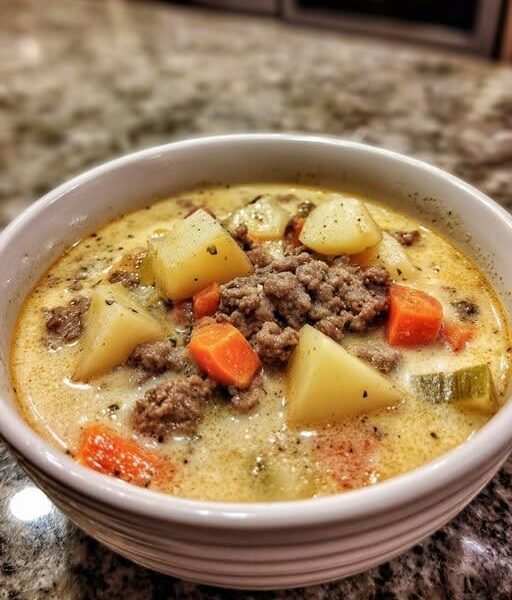
Anti-Inflammatory Creamy Beef & Vegetable Soup
A Nourishing, Gut-Healing Comfort Meal for Joint Health, Immunity & Weight Balance
Recipe Description
This Anti-Inflammatory Creamy Beef & Vegetable Soup is a deeply nourishing, hearty comfort food designed to support joint health, gut health, immune function, and inflammation reduction—without sacrificing flavor.
Inspired by classic homestyle beef and potato soup, this upgraded version incorporates anti-inflammatory spices, grass-fed beef, immune-boosting vegetables, and dairy-free creamy options to help combat chronic inflammation naturally.
The soup features tender ground beef, soft Yukon gold potatoes, carrots, celery, and aromatics simmered in a turmeric-infused broth, finished with coconut milk or grass-fed cream for a rich, velvety texture. It’s ideal for people managing arthritis, autoimmune conditions, IBS, insulin resistance, or chronic pain, while still being satisfying enough for the whole family.
This recipe is gluten-free, low-glycemic, and easily adaptable for keto, paleo, or Whole30 lifestyles.
Why This Is an Anti-Inflammatory Soup
Chronic inflammation is linked to conditions such as:
-
Arthritis and joint pain
-
Autoimmune disease
-
Heart disease
-
Type 2 diabetes
-
Digestive disorders
-
Brain fog and fatigue
This soup intentionally uses ingredients known to reduce systemic inflammation, stabilize blood sugar, and support gut health.
Key Anti-Inflammatory Ingredients
-
Turmeric + black pepper – powerful natural anti-inflammatory compounds
-
Garlic & onion – support immune and cardiovascular health
-
Grass-fed beef – higher omega-3 content than conventional beef
-
Carrots & celery – rich in antioxidants and phytonutrients
-
Coconut milk or grass-fed cream – anti-inflammatory fats
-
Bone broth (optional) – collagen for joints and gut lining
Ingredients (Serves 4–6)
Protein & Fats
-
1 lb grass-fed ground beef
-
2 tbsp extra virgin olive oil or avocado oil
Vegetables
-
3 medium Yukon gold potatoes, peeled and diced
-
2 large carrots, chopped
-
2 celery stalks, sliced
-
1 small zucchini, diced (optional but anti-inflammatory)
-
1 medium yellow onion, diced
-
4 cloves garlic, minced
Liquids
-
4 cups low-sodium bone broth or organic beef broth
-
1 cup full-fat coconut milk or grass-fed heavy cream
Anti-Inflammatory Spices
-
1½ tsp ground turmeric
-
½ tsp black pepper (essential for turmeric absorption)
-
1 tsp smoked paprika
-
1 tsp dried thyme
-
½ tsp ground ginger
-
Sea salt to taste
Optional Boosters
-
1 tbsp apple cider vinegar (gut health)
-
Fresh parsley or cilantro for garnish
Step-by-Step Instructions
Step 1: Brown the Beef
Heat olive oil in a large soup pot over medium heat. Add the ground beef and cook until browned, breaking it apart with a spoon. Drain excess fat if necessary.
Tip: Browning adds depth of flavor and reduces inflammation-triggering oxidized fats.
Step 2: Sauté Aromatics
Add onion, garlic, carrots, and celery to the pot. Cook for 5–7 minutes until softened and fragrant.
Step 3: Add Spices
Sprinkle turmeric, black pepper, smoked paprika, ginger, and thyme over the mixture. Stir continuously for 30–60 seconds to bloom the spices.
Step 4: Add Potatoes & Broth
Add diced potatoes and pour in bone broth. Bring to a gentle boil, then reduce to a simmer.
Cover and cook for 15–20 minutes until potatoes are fork-tender.
Step 5: Add Creaminess
Stir in coconut milk or grass-fed cream. Add zucchini if using. Simmer uncovered for 5–10 minutes until slightly thickened.
Step 6: Finish & Serve
Add apple cider vinegar (optional), adjust salt, and garnish with fresh herbs.
Serve hot.
Nutritional Benefits (Per Serving Approx.)
-
Protein: 25–30g
-
Healthy fats: Supports hormone balance
-
Fiber: Gut and blood sugar support
-
Anti-inflammatory compounds: Curcumin, polyphenols, antioxidants
Health Benefits of This Anti-Inflammatory Soup
1. Supports Joint & Arthritis Relief
Turmeric, ginger, and omega-3-rich beef help reduce joint stiffness and inflammation naturally.
2. Improves Gut Health
Bone broth, garlic, and cooked vegetables are gentle on digestion and support the gut lining.
3. Helps Balance Blood Sugar
Low-glycemic vegetables and healthy fats prevent insulin spikes.
4. Boosts Immune Function
Garlic, onion, turmeric, and carrots support immune response and reduce oxidative stress.
Variations & Dietary Modifications
Keto / Low-Carb Version
-
Replace potatoes with cauliflower florets
-
Use heavy cream instead of coconut milk
Paleo / Whole30
-
Use coconut milk
-
Skip legumes and dairy
Dairy-Free
-
Use coconut milk or cashew cream
High-Protein Meal Prep
-
Add extra beef or collagen peptides
Storage & Meal Prep Tips
-
Refrigerator: 4–5 days in an airtight container
-
Freezer: Up to 3 months
-
Reheat: Low heat to preserve nutrients
High-CPM SEO Keywords (Naturally Integrated)
-
Anti-inflammatory soup recipe
-
Best foods to reduce inflammation
-
Anti-inflammatory diet meal ideas
-
Healthy comfort food recipes
-
Gut healing soup
-
Arthritis relief foods
-
Weight loss anti-inflammatory meals
-
Immune boosting soup
-
Chronic inflammation diet
-
High protein healthy soup
Related Questions (SEO-Optimized FAQ Section)
Is beef anti-inflammatory?
Grass-fed beef contains omega-3 fatty acids and conjugated linoleic acid (CLA), which may help reduce inflammation when consumed in moderation.
What soups are best for inflammation?
Soups with turmeric, ginger, bone broth, vegetables, and healthy fats are among the best options for reducing inflammation.
Can I eat potatoes on an anti-inflammatory diet?
Yes. Potatoes are anti-inflammatory when prepared simply and eaten with fiber and fat to balance blood sugar.
Is this soup good for arthritis?
Yes. This recipe contains turmeric, ginger, and collagen-supporting ingredients beneficial for joint health.
Can this soup help with weight loss?
Yes. It is high in protein, fiber, and healthy fats, which promote satiety and metabolic balance.
Is coconut milk anti-inflammatory?
Yes. Coconut milk contains medium-chain triglycerides (MCTs) that support metabolism and reduce inflammation.
Final Thoughts
This Anti-Inflammatory Creamy Beef & Vegetable Soup proves that healing food doesn’t have to be bland or restrictive. It’s comforting, nutrient-dense, and designed to support long-term wellness while still satisfying cravings for rich, hearty meals.