📌 Description
This refreshing pineapple fermented drink is a naturally sweet, slightly tangy, probiotic-rich beverage made using pineapple peels, sugar, and optional spices like ginger or cinnamon. It is popular in many tropical regions and is known for supporting gut health, digestion, and immunity.
Unlike store-bought sugary drinks, this homemade version contains natural enzymes, antioxidants, and beneficial bacteria. It can be served as a refreshing summer drink, detox beverage, or even used as a base for mocktails and cocktails.
This recipe is budget-friendly because it uses pineapple peels that are usually discarded — making it both eco-friendly and cost-effective.
🛒 Ingredients
-
1 large ripe pineapple (use the peels and core)
-
1–1½ cups brown sugar (or organic cane sugar)
-
1 thumb-sized piece of fresh ginger (optional, sliced)
-
1 cinnamon stick (optional)
-
2–3 liters filtered water
-
Juice of 1 lemon (optional for added freshness)
🥣 Equipment
-
Large glass jar or fermentation container
-
Strainer or cheesecloth
-
Large pot
-
Glass bottles with lids
👩🍳 Step-by-Step Instructions
Step 1: Prepare the Pineapple
-
Wash the pineapple thoroughly to remove dirt or pesticides.
-
Peel the pineapple.
-
Set aside the fruit for other use.
-
Keep the peels and core — these are the main ingredients.
Step 2: Start Fermentation
-
Place pineapple peels and core into a large glass jar.
-
Add brown sugar.
-
Add ginger and cinnamon (optional).
-
Pour filtered water over the mixture.
-
Stir well until sugar dissolves.
Step 3: Ferment
-
Cover loosely with a cloth (not airtight).
-
Leave at room temperature for 24–48 hours.
-
You will see bubbles forming — this means fermentation has started.
-
Taste after 24 hours. If slightly tangy and fizzy, it’s ready.
⚠ Do not ferment longer than 3 days unless refrigerated, as it may become too sour.
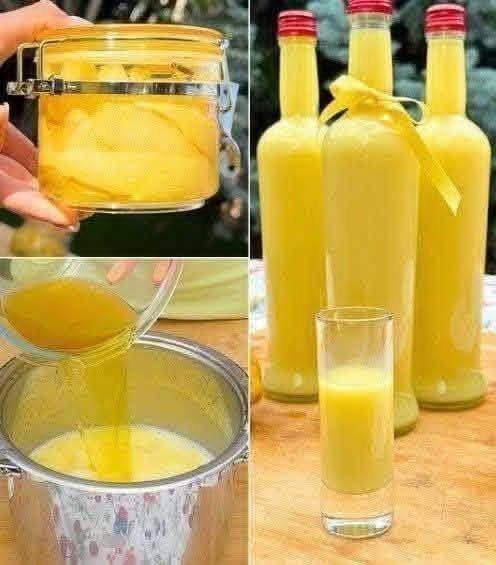
Step 4: Strain and Boil (Optional Concentrate Method as Seen in Image)
The image suggests a boiled concentrate version:
-
Strain the fermented liquid into a pot.
-
Bring to a gentle boil for 5–10 minutes.
-
Allow to cool completely.
-
Pour into sterilized bottles.
Boiling stops fermentation and extends shelf life.
Step 5: Store
-
Refrigerate for up to 1 week.
-
Serve chilled.
🥤 How to Serve
-
Serve cold in a glass.
-
Add ice cubes.
-
Mix with sparkling water.
-
Blend with mint leaves.
-
Use as a base for tropical mocktails.
🌿 Health Benefits
-
Supports gut health (natural probiotics)
-
Rich in vitamin C
-
Aids digestion (contains bromelain enzyme)
-
Boosts immunity
-
May reduce inflammation
-
Natural detox drink
-
Hydrating summer beverage
💡 Pro Tips
-
Use organic pineapple for best results.
-
Do not use metal containers for fermentation.
-
If mold appears (fuzzy black or green spots), discard immediately.
-
For stronger flavor, add cloves or star anise.
❓ Frequently Asked Questions (High CPM SEO Optimized)
1. Is fermented pineapple drink good for weight loss?
Yes, this low-calorie probiotic beverage may support weight management by improving digestion and reducing bloating.
2. Can I make pineapple detox juice without sugar?
Sugar is needed for fermentation, but you can reduce the quantity or use natural sweeteners like honey.
3. How long does homemade pineapple juice last?
Refrigerated, it lasts about 5–7 days. If unboiled, consume within 3–4 days.
4. Is fermented pineapple drink alcoholic?
It contains very low natural alcohol (usually under 1%) due to fermentation.
5. Can diabetics drink pineapple fermented juice?
In moderation. Use less sugar and consult a healthcare provider.
6. What are the side effects of fermented drinks?
Overconsumption may cause bloating or mild stomach discomfort.
7. Can I turn this into a probiotic health drink for sale?
Yes, but check local food safety and beverage production regulations.
8. Is this better than store-bought pineapple juice?
Yes. It has no preservatives, artificial flavors, or high fructose corn syrup.
💰 Why This Recipe Has High Commercial Value (High CPM Keywords)
This type of content ranks well in niches like:
-
Gut health remedies
-
Natural probiotic drinks
-
Weight loss detox recipes
-
Homemade organic beverages
-
Fermented foods for immunity
-
Healthy drink recipes for summer
-
Natural anti-inflammatory drinks
-
Low sugar beverage alternatives
-
DIY wellness drinks
-
Herbal detox juice recipes
Health, wellness, and organic beverage content typically have high advertising revenue (high CPM) due to demand in nutrition, supplements, and health product markets.