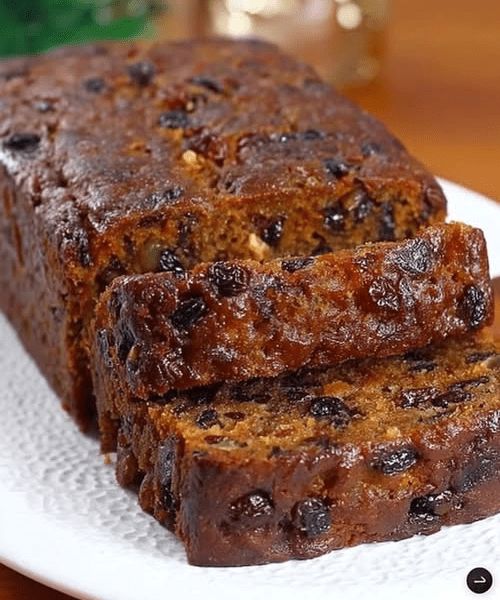
This tea loaf is a classic example of how simple ingredients can produce something deeply comforting and flavorful. It relies on soaked dried fruit and brewed tea to create natural moisture and sweetness, eliminating the need for added fats like butter or oil. The result is a dense, slightly sticky loaf with a rich, almost caramelized flavor and a tender crumb.
Ingredients (Using a Mug as Measure)
- 1 mug strong brewed tea (no milk, cooled)
- 1 mug self-raising flour
- 1 mug raisins (or mixed dried fruit)
- 1 egg
That’s it. Just four ingredients.
Understanding the Ingredients
Tea
The tea is more than just liquid—it infuses the loaf with subtle tannic depth and helps plump up the dried fruit. A strong black tea works best, such as English breakfast or Assam. The strength of the tea influences the final flavor, so don’t be afraid to brew it slightly stronger than you would for drinking.
Dried Fruit (Raisins)
Raisins are the primary source of sweetness in this loaf. When soaked in tea, they absorb moisture and soften, releasing natural sugars during baking. You can also use a mix of dried fruits like sultanas, currants, chopped dates, or even dried apricots for more complexity.
Self-Raising Flour
This flour already contains a leavening agent (baking powder), which gives the loaf its rise. It simplifies the recipe and ensures a light texture despite the absence of fat.
Egg
The egg binds everything together and provides structure. It also contributes to the slight richness of the loaf without adding fat in the way butter or oil would.
Step-by-Step Method
Step 1: Brew the Tea
Start by making a mug of strong tea. Use one or two tea bags depending on how bold you want the flavor. Let it steep for at least 5 minutes. Remove the tea bags and allow the tea to cool completely.
Step 2: Soak the Fruit
Place the raisins (or mixed dried fruit) in a bowl and pour the cooled tea over them. Stir gently to ensure all the fruit is submerged.
Let the mixture soak for at least 1 hour, but ideally overnight. The longer soaking time allows the fruit to fully hydrate and results in a softer, more flavorful loaf.
If you’re short on time, even 30 minutes will help, but overnight soaking is strongly recommended.
Step 3: Prepare the Oven and Tin
Preheat your oven to 180°C (350°F) or 160°C (fan).
Line a standard loaf tin with baking paper or lightly grease it. Since the loaf is fat-free, proper lining is important to prevent sticking.
Step 4: Mix the Batter
Once the fruit has soaked, add the egg directly into the bowl. Stir well to combine.
Next, add the self-raising flour. Fold everything together gently until no dry flour remains. The mixture will be thick and slightly lumpy—this is normal.
Avoid overmixing, as this can make the loaf tough.
Step 5: Transfer to Tin
Pour the mixture into the prepared loaf tin. Use a spatula to level the top evenly.
Step 6: Bake
Place the tin in the center of the oven and bake for 40–50 minutes.
The loaf is ready when:
- A skewer inserted into the center comes out clean
- The top is firm and slightly springy
- The edges begin to pull away from the sides of the tin
If the top starts browning too quickly, loosely cover it with foil for the final 10–15 minutes.
Step 7: Cool
Remove the loaf from the oven and let it cool in the tin for about 10 minutes.
Then transfer it to a wire rack to cool completely before slicing. This step is important, as cutting too early can cause the loaf to crumble.
Texture and Flavor
This tea loaf has a dense, moist texture with a slightly sticky crust. The flavor is naturally sweet but not overly sugary, making it perfect for those who prefer a more subtle sweetness.
The tea adds a gentle bitterness that balances the sweetness of the fruit, while the raisins provide bursts of rich, caramel-like flavor throughout.
Serving Suggestions
- Slice and serve plain with a cup of tea
- Lightly toast and enjoy warm
- Add a thin spread of low-sugar jam if desired
- Pair with fresh fruit for a balanced snack
Although traditionally served plain, it can also be enjoyed as a light dessert.
Storage
This loaf keeps very well due to its moisture content.
- Store in an airtight container at room temperature for up to 3 days
- Refrigerate for up to a week
- Freeze slices individually for up to 3 months
Interestingly, the flavor often improves after a day as the ingredients continue to meld.
Variations and Adaptations
Lower Sugar Option
Use a mix of raisins and chopped dried apples or berries, which can be slightly less sweet.
Spiced Version
Add 1 teaspoon of mixed spice or cinnamon to the flour for a warmer, more aromatic loaf.
Citrus Twist
Add the zest of one orange or lemon for a fresh, bright flavor.
Wholemeal Version
Replace half of the self-raising flour with wholemeal self-raising flour for added fiber and a nuttier taste.
Gluten-Free Option
Use a gluten-free self-raising flour blend. You may need to add a splash more liquid if the batter feels too thick.
Common Mistakes and How to Avoid Them
1. Not Soaking the Fruit Long Enough
This results in a dry loaf. Always aim for at least 1 hour, preferably overnight.
2. Using Hot Tea
Adding flour or egg to hot tea can affect the texture. Always let the tea cool before mixing.
3. Overbaking
Since there’s no fat, the loaf can dry out if left too long. Start checking at 40 minutes.
4. Overmixing the Batter
This can lead to a dense, tough texture. Mix just until combined.
Why This Recipe Works
This loaf is a great example of how traditional baking techniques maximize simple ingredients. The soaking process replaces the need for added fat by hydrating the fruit, which releases moisture during baking. The egg provides structure, while self-raising flour ensures a light rise.
The result is a wholesome, satisfying bake that feels indulgent without being heavy or overly sweet.
Final Thoughts
This tea loaf is ideal for anyone looking for a simple, healthier bake that doesn’t sacrifice flavor. It’s economical, easy to prepare, and adaptable to different tastes and dietary needs.