
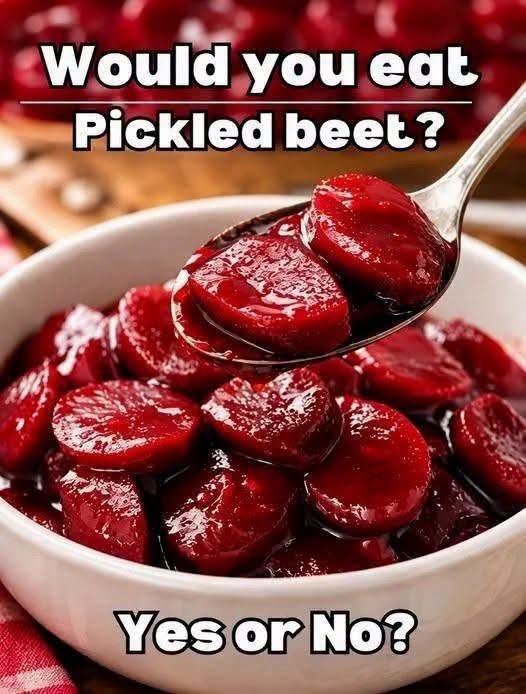
If you’ve never made pickled beets before, don’t worry—this is one of those recipes that sounds a little more complicated than it actually is.
I usually make these when I have a few extra fresh beets on hand and want to turn them into something that will last in the refrigerator for days. Honestly, there’s something so satisfying about opening the fridge and seeing a jar of those beautiful ruby-red beets waiting for you.
They’re sweet, tangy, slightly earthy, and wonderfully crisp-tender. And that gorgeous color? It’s almost impossible to resist.
This classic pickled beets recipe is especially nice for beginners because there is no complicated technique involved. You simply cook the beets, prepare a quick vinegar brine, combine everything, and let the flavors develop in the refrigerator.
Note: This recipe is written as a refrigerator pickle and is not intended as a shelf-stable canning recipe. For long-term room-temperature storage, use a tested canning recipe and follow its processing instructions.
Why You’ll Love These Pickled Beets
-
Easy enough for beginners
-
Requires simple ingredients
-
Sweet and tangy flavor
-
Beautiful addition to any meal
-
Great for meal prep
-
Delicious chilled straight from the refrigerator
-
No special pickling equipment required
Ingredients
For the Beets
-
2 pounds fresh beets
-
Water, for cooking
-
½ teaspoon salt
For the Pickling Brine
-
1 cup white vinegar
-
½ cup water
-
½ cup granulated sugar
-
1 teaspoon salt
-
½ teaspoon whole black peppercorns
-
½ teaspoon whole mustard seeds (optional)
-
½ teaspoon whole cloves (optional)
-
1 small cinnamon stick (optional)
Optional Additions
You can keep the brine simple, or add a few spices for extra flavor:
-
Thinly sliced red onion
-
A bay leaf
-
A few allspice berries
-
Fresh dill
-
A pinch of red pepper flakes
How to Make Classic Pickled Beets
1. Prepare the Beets
Start by giving the beets a good scrub under cool running water.
Trim off the leafy tops and roots, but don’t peel them just yet. Leaving the skins on while cooking helps keep the beets from losing too much of their beautiful color.
I usually cook the beets whole because it’s less messy and requires very little preparation.
2. Cook the Beets Until Tender
Place the whole beets in a large pot and cover them with water.
Bring the water to a boil, then reduce the heat and simmer until the beets are tender when pierced with a knife.
Depending on their size, this usually takes around 30–50 minutes.
You don’t want them falling apart. They should be tender enough to slice easily while still holding their shape.
Drain them and let them cool until they’re comfortable enough to handle.
3. Peel and Slice the Beets
Once the beets have cooled, the skins should slip off quite easily.
I usually rub the skins away with my fingers or use a small knife for any stubborn spots.
Be warned: beet juice stains! I recommend wearing gloves or using an old cutting board if you don’t want everything in your kitchen turning pink.
Slice the beets into rounds or wedges. You can make them thin or thick depending on how you like your pickles.
4. Make the Pickling Brine
While the beets are cooking, combine the vinegar, water, sugar, salt, peppercorns, and any optional spices in a saucepan.
Bring the mixture to a gentle simmer, stirring until the sugar and salt dissolve.
You don’t need to boil it aggressively. Once everything is dissolved and the brine is hot and fragrant, it’s ready.
5. Combine the Beets and Brine
Place the sliced beets into a clean heat-resistant container or jar.
If you’re using beets become more flavorful as they sit. While they’re delicious after a day, I usually, an unusual odor, bubbling that wasn’t present initially, or other signs of spoilage,. If you’re short on time, canned beets can be used. Drain them well before adding them to the prepared brine. The texture will be softer than freshly cooked beets sliced onions or additional spices, layer them between the beets.
Pour the warm pickling brine over the beets, making sure they’re well covered.
Let the mixture cool at room temperature briefly, then cover and refrigerate.
6. Let the Flavors Develop
You can taste the beets once they’re chilled, but I usually give them at least 24 hours.
That’s when the vinegar, sugar, and spices really start working their magic.
After a couple of days, the flavor becomes even more developed.
Cooking Tips for the Best Pickled Beets
Choose small to medium beets
Smaller beets tend to cook more evenly and can have a sweeter, more delicate flavor.
Don’t overcook them
You want tender beets that still have some structure. If they’re too soft before pickling, they’ll become even softer as they sit in the brine.
Use gloves
This is honestly one of the best little kitchen tips I can give you. Beet juice can stain your hands, especially if you’re working with several pounds.
Adjust the sweetness
If you prefer tangier pickled beets, reduce the sugar slightly. If you like a sweeter pickle, add a little more.
Give them time
The beets become more flavorful as they sit. While they’re delicious after a day, I usually find them even better after 2–3 days.
Keep them refrigerated
Because this is a refrigerator-pickle recipe, store the finished beets in the refrigerator rather than keeping them at room temperature.
Serving Suggestions
There are so many ways to enjoy homemade pickled beets.
I love serving them cold as a simple side dish, but they’re also fantastic chopped into salads.
Try them with:
-
Green salads
-
Potato salad
-
Deviled eggs
-
Grilled chicken
-
Roast beef
-
Sandwiches
-
Burgers
-
Cheese and crackers
-
Grain bowls
-
Hard-boiled eggs
-
Fresh goat cheese or feta
One of my favorite easy lunches is a simple salad with leafy greens, pickled beets, crumbled feta, walnuts, and a little of the beet brine whisked into a vinaigrette.
The combination of sweet, tangy, creamy, and crunchy is so good.
How to Store Pickled Beets
Keep the beets completely covered with their brine in a clean, covered container in the refrigerator.
For best quality, enjoy them within a few weeks and always use clean utensils when removing beets from the container.
If you notice mold, an unusual odor, bubbling that wasn’t present initially, or other signs of spoilage, discard them.
For shelf-stable storage, don’t simply leave these jars at room temperature. Use a properly tested home-canning recipe designed for pickled beets and follow its processing instructions.
Approximate Nutrition Information
Nutrition varies depending on the size of the beets and how much brine is consumed.
Approximate per serving, assuming 8 servings:
-
Calories: 75–90
-
Carbohydrates: 17–20 g
-
Protein: 1–2 g
-
Fat: 0 g
-
Fiber: 2–3 g
-
Sugar: 14–17 g
-
Sodium: approximately 250–350 mg
The exact amount will depend on how much sugar and salt your beets absorb from the brine.
Frequently Asked Questions
1. Do I have to cook the beets before pickling them?
For this recipe, yes. Cooking the beets first gives them a tender texture and makes peeling much easier. You can boil, steam, or roast them before adding them to the pickling brine.
2. How long do pickled beets need to sit before eating?
They can be eaten once they’re chilled, but I recommend waiting at least 24 hours for the best flavor. I usually think they’re even better after a couple of days in the refrigerator.
3. Can I use canned beets?
Yes. If you’re short on time, canned beets can be used. Drain them well before adding them to the prepared brine. The texture will be softer than freshly cooked beets, but you’ll still get that classic sweet-and-tangy flavor.
4. Can I make pickled beets without sugar?
Absolutely. Sugar balances the sharpness of the vinegar, so leaving it out will produce a noticeably more tart pickle. You can reduce the sugar to suit your taste.
5. Are these pickled beets shelf-stable?
No. This recipe is specifically a refrigerator pickling recipe. Keep the finished beets refrigerated. If you want to can pickled beets for room-temperature storage, use a tested canning recipe and follow the recommended processing method rather than adapting this recipe.
Final Thoughts
These classic pickled beets are proof that simple ingredients can make something really special. The earthy sweetness of the beets paired with tangy vinegar and warm spices creates a flavor that’s batch, tuck them into the fridge, and let the brine do its thing. Then, when you need a colorful bright, nostalgic, and incredibly versatile.
I love that this recipe doesn’t require fancy equipment or complicated steps. Honestly, if you’re a beginner who’s never tried pickling anything before, refrigerator pickled beets are a great place to start.