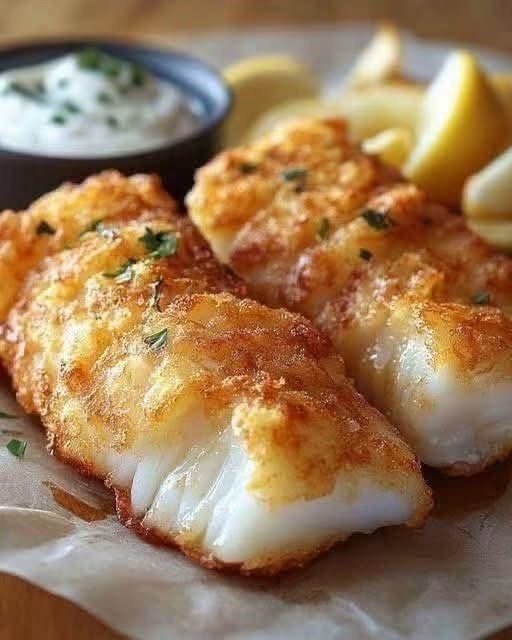
Craving perfectly flaky white fish with a shattered-crisp golden crust? Honestly, this easy pan-fried fish recipe is better (and faster) than takeout!
My Quest for the Ultimate Crispy Fish
Honestly, I used to be completely terrified of cooking fish at home. It always seemed to end in one of two tragedies: either it stuck to the pan and became a sad, shredded mess, or it turned out completely rubbery and bland. For the longest time, I just left fish to the seafood restaurants.
But a few years ago, I decided I was done paying restaurant prices for something that should take less than 20 minutes to make. I experimented with different coatings, heat levels, and oils until I finally nailed it. This crispy pan-fried fish recipe is my absolute pride and joy. It gives you that deeply satisfying, shattered-crisp outer crust while keeping the inside incredibly juicy, tender, and flaky.
The secret? A perfectly seasoned flour-and-cornstarch blend and a roaring hot skillet. It’s simple, lightning-fast, and completely foolproof. Let’s get cooking!
The Ingredients You’ll Need
I usually keep the seasoning simple here because you really want the natural sweetness of the fish to shine through. Here is what you need to grab:
-
White Fish Fillets: 4 fillets (about 6 ounces each). Cod, haddock, halibut, or tilapia work beautifully here. Just make sure they are similar in thickness so they cook evenly.
-
All-Purpose Flour: $\frac{1}{2}$ cup. This forms the base of our crispy coating.
-
Cornstarch: 3 tablespoons. Don’t skip this! Honestly, this is the secret to getting that extra-shattered, restaurant-style crunch.
-
Garlic Powder: 1 teaspoon.
-
Paprika: 1 teaspoon (use smoked paprika if you love a subtle hint of warmth).
-
Salt and Black Pepper: 1 teaspoon each, or to taste.
-
Egg: 1 large, beaten (helps the flour stick like glue).
-
Oil for Frying: 3–4 tablespoons. Use a high-smoke-point oil like vegetable, canola, or avocado oil.
Step-by-Step Method
1. Prep and Dry the Fish
First things first: take your fish fillets out of the fridge about 10 minutes before cooking. Then—and this is the most important step—grab some paper towels and pat the fillets completely dry. If there’s moisture on the surface, the fish will steam instead of fry, and we can goodbye to our crispy crust!
2. Set Up Your Dredging Station
In a shallow bowl or pie dish, whisk together the all-purpose flour, cornstarch, garlic powder, paprika, salt, and black pepper. In a second shallow bowl, beat the egg with a splash of water (about a teaspoon).
3. Coat the Fillets
Dip a fish fillet into the beaten egg, letting any excess drip off. Next, dread it in the seasoned flour mixture. Make sure it’s completely coated, then gently tap the fillet against the side of the bowl to shake off any loose flour. Repeat with the rest of the fillets.
4. Heat the Skillet
Place a large skillet (cast iron or a heavy-bottomed non-stick pan works best) over medium-high heat. Add your oil. You want enough oil to completely coat the bottom of the pan. Let it get hot! You’ll know it’s ready when the oil shimmers. If you drop a tiny pinch of flour in and it sizzles instantly, you’re good to go.
5. Fry to Golden Perfection
Gently lay the fillets into the hot oil, making sure not to crowd the pan (fry in batches if your pan is on the smaller side). Cook for about 3 to 4 minutes on the first side without moving them, letting that gorgeous crust form. Carefully flip the fillets over and cook for another 2 to 3 minutes on the other side. The fish is done when it’s beautifully golden-brown and flakes easily with a fork.
6. Drain and Rest
Transfer the cooked fillets to a plate lined with paper towels (or a wire cooling rack) to drain any excess oil. Hit them with a tiny extra pinch of flaky sea salt right while they’re hot!
My Top Cooking Tips for Success
Get the oil hot enough: If your oil isn’t hot when the fish hits the pan, the coating will just absorb the grease and turn out soggy. Look for that beautiful shimmer before frying!
Don’t over-crowd: Leaving space between the fillets allows the steam to escape. If they are packed too tightly, they’ll steam rather than fry.
Leave it alone: Resist the urge to poke, prodd, or move the fish around once it hits the pan. Let it sit for those first 3 minutes so the crust can properly set.
Serving Suggestions
I love serving these crispy fillets hot out of the pan with a big squeeze of fresh lemon juice.
-
The Classic Route: Pair it with a generous side of crispy french fries and a heap of homemade tartar sauce or garlic aioli.
-
Light & Fresh: Serve it alongside a bright, tangy coleslaw or a crisp green garden salad to balance out the richness of the fried crust.
-
Fish Tacos: Flake the crispy fish into warm corn tortillas and top with shredded cabbage, cilantro, and a drizzle of spicy chipotle crema.
Nutrition Info (Approximate per Serving)
-
Calories: 290 kcal
-
Carbohydrates: 14g
-
Protein: 26g
-
Fat: 12g
-
Sodium: 480mg
Conclusion
And there you have it! Deliciously crispy, flaky, golden-brown pan-fried fish that takes way less time than waiting for a restaurant table. It’s incredibly straightforward, completely satisfying, and a total weeknight lifesaver. Give it a try tonight, and let me know in the comments how yours turned out!
FAQs
1. Can I use frozen fish for this recipe?
Absolutely! Just make sure to let the fish thaw completely in the refrigerator overnight before you plan to cook it. Once thawed, be extra diligent about patting it completely dry with paper towels, as frozen fish tends to hold onto a bit more water.
2. How do I know when the fish is fully cooked?
The easiest way to check is with a fork. Gently insert the prongs into the thickest part of the fillet and twist slightly. If the fish opaque and flakes apart easily, it’s done. If you have a digital meat thermometer, you’re looking for an internal temperature of $145^\circ\text{F}$ ($63^\circ\text{C}$).
3. Why did my crispy coating fall off the fish?
This usually happens for two reasons: either the fish wasn’t dried properly before coating, or the skillet wasn’t hot enough when you put the fish in. If the oil is too cool, the coating gets soggy and detaches from the fish.
4. Can I make this gluten-free?
Yes, very easily! Just swap out the all-purpose flour for your favorite 1:1 gluten-free baking flour blend. The cornstarch is naturally gluten-free and will still give you that incredible crunch.
5. How do I store and reheat leftovers?
If you happen to have leftovers, store them in an airtight container in the fridge for up to 2 days. To reheat, I highly recommend avoiding the microwave (it makes the crust completely soggy). Instead, pop them into an air fryer at $375^\circ\text{F}$ ($190^\circ\text{C}$) for 3–4 minutes, or reheat them in a dry skillet over medium heat until warmed through and recrisped!