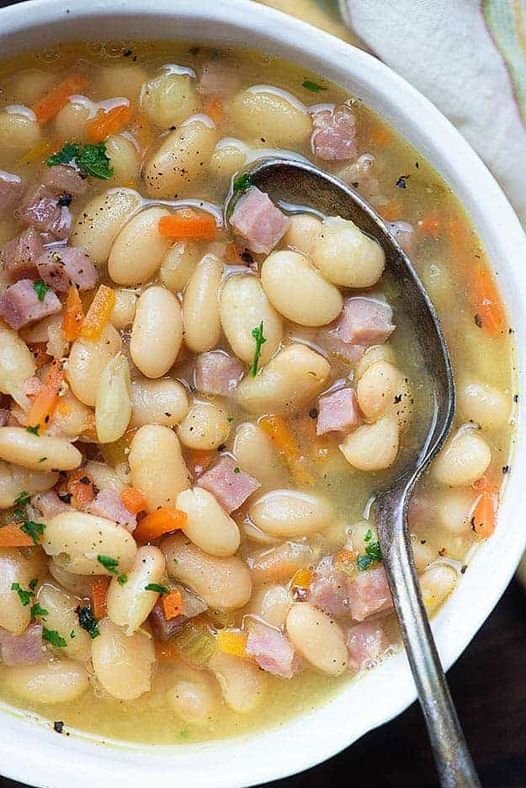

I know it’s one of those dishes that can feel a little old-fashioned, but that’s exactly why I love it. There’s something incredibly comforting about sitting down with a steaming bowl of deeply caramelized onions, savory broth, crusty bread, and a thick layer of golden, bubbling cheese.
I usually make this on a chilly evening when I want something that feels special without requiring complicated ingredients. The secret isn’t fancy technique—it’s simply giving the onions enough time to become beautifully soft, golden, and sweet.
And when that cheese gets browned and bubbly under the broiler? That’s the part I wait for.
Easy French Onion Soup Ingredients
This recipe makes approximately 4 generous servings.
For the Soup
-
4 large yellow onions, thinly sliced
-
2 tablespoons unsalted butter
-
1 tablespoon olive oil
-
3 cloves garlic, minced
-
1 teaspoon granulated sugar, optional
-
½ teaspoon salt, plus more to taste
-
½ teaspoon black pepper
-
1 tablespoon all-purpose flour
-
½ cup dry white wine, optional
-
6 cups beef broth
-
1 teaspoon Worcestershire sauce, optional
-
1 teaspoon fresh thyme leaves, or ½ teaspoon dried thyme
-
1 bay leaf
For the Topping
-
4–8 slices crusty French bread or baguette
-
1½–2 cups shredded Gruyère cheese
-
¼ cup grated Parmesan cheese, optional
-
Fresh parsley or thyme, for garnish
How to Make French Onion Soup
1. Slice the Onions
Start by peeling the onions and slicing them thinly from root to stem.
They don’t need to be paper-thin. I usually aim for slices around ⅛ inch thick so they soften nicely without completely disappearing into the soup.
Have tissues nearby if you’re sensitive to onions. Trust me!
2. Start Caramelizing the Onions
Place a large heavy-bottomed pot or Dutch oven over medium heat.
Add the butter and olive oil.
Once the butter melts, add the sliced onions and salt. Stir everything together.
At first, it may look like you’ve put an unreasonable amount of onions into the pot. Don’t worry. They shrink dramatically as they cook.
Cook the onions over medium to medium-low heat for about 35–50 minutes, stirring every few minutes.
This is the most important step.
You want the onions to become soft, deeply golden brown, and sweet. If they start sticking or browning too quickly, reduce the heat and add a splash of water.
Honestly, this is where patience pays off. Don’t crank up the heat just because you want dinner faster—the deep flavor comes from slow caramelization.
3. Add the Garlic and Flour
Once the onions are beautifully caramelized, add the minced garlic and cook for about 30–60 seconds.
Sprinkle the flour over the onions and stir thoroughly.
Cook for another minute or two. The flour helps give the finished soup just a little body.
If you’re making the soup gluten-free, simply use a suitable gluten-free flour or leave it out.
4. Deglaze the Pot
Pour in the white wine, if using.
Scrape the bottom of the pot with a wooden spoon to loosen all those dark, flavorful bits.
Let the wine simmer for about 2–3 minutes.
If you don’t want to use wine, that’s perfectly fine. You can replace it with a little extra broth.
5. Add the Broth and Herbs
Pour in the beef broth.
Add:
-
Worcestershire sauce
-
Black pepper
-
Thyme
-
Bay leaf
Bring everything to a gentle simmer.
Reduce the heat and let the soup cook uncovered for approximately 20–30 minutes.
Taste it toward the end and adjust the salt and pepper.
Remove the bay leaf before serving.
6. Toast the Bread
While the soup simmers, slice your baguette.
Toast the slices in the oven at 400°F (200°C) until they’re crisp and lightly golden.
You want the bread firm enough to hold up under the hot soup and cheese.
I usually make an extra couple of pieces because someone inevitably wants more.
7. Add the Cheese
Preheat your oven’s broiler.
Ladle the hot soup into oven-safe bowls.
Place one or two toasted baguette slices on top of each bowl.
Cover generously with shredded Gruyère.
Add a little Parmesan if you like an extra savory, browned crust.
Place the bowls on a baking sheet and carefully transfer them under the broiler.
Broil for approximately 2–4 minutes, watching closely.
The cheese should become melted, bubbly, and golden brown.
Don’t walk away at this point. Cheese can go from perfectly golden to burnt surprisingly quickly!
8. Serve Immediately
Carefully remove the bowls—they’ll be extremely hot.
Let them sit for a minute or two before serving.
Then dig in.
That first spoonful should give you a little bit of everything: sweet caramelized onion, rich broth, crunchy bread, and gooey melted cheese.
That’s French onion soup at its best.
My Best French Onion Soup Tips
Don’t rush the onions
This is my biggest tip. Caramelizing the onions properly is what makes the soup.
If they’re pale and barely softened, you’ll end up with onion soup. If they’re deeply golden and caramelized, you’ll get the rich flavor you’re looking for.
Use a heavy pot
A Dutch oven or heavy-bottomed saucepan distributes heat more evenly and makes it easier to brown the onions without scorching them.
Don’t add too much sugar
Some recipes call for sugar to speed up browning. I usually don’t need much, because onions naturally become sweet as they caramelize.
If your onions aren’t developing enough color, a tiny pinch can help.
Gruyère is classic
Gruyère melts beautifully and has a nutty, savory flavor that works incredibly well with the sweet onions.
If you don’t have it, Swiss cheese, Emmental, or a mixture of mozzarella and Parmesan can work too.
Watch the broiler
Seriously—stay nearby.
The final broiling step only takes a few minutes, and every oven is different.
Can I Make French Onion Soup Ahead of Time?
Yes, and it’s actually a great make-ahead meal.
I often prepare the soup completely, let it cool, and refrigerate it.
When I’m ready to eat, I reheat the soup on the stovetop, toast fresh bread, then add the cheese and broil everything until bubbling.
Keep the bread separate until serving so it doesn’t become soggy in the refrigerator.
Serving Suggestions
French onion soup is filling enough to be a meal, especially with plenty of cheesy bread.
But if you’re serving it as an appetizer, pair it with something lighter.
Try serving it with:
-
A simple green salad
-
Roasted vegetables
-
Grilled chicken
-
A crusty baguette
-
Tomato and cucumber salad
-
Lightly dressed arugula
-
A small sandwich
For me, a bowl of French onion soup plus a simple salad is usually enough for dinner.
Approximate Nutrition Information
Nutrition varies depending on the broth, amount of cheese, bread, and serving size. Based on 4 servings, one bowl with bread and cheese contains approximately:
| Nutrient | Approx. Amount |
|---|---|
| Calories | 470 kcal |
| Carbohydrates | 43 g |
| Protein | 20 g |
| Fat | 25 g |
| Saturated Fat | 14 g |
| Fiber | 5 g |
| Sugar | 13 g |
| Sodium | 1,150 mg |
These are estimates and can vary considerably depending on the specific ingredients used.
Frequently Asked Questions
1. Can I use chicken broth instead of beef broth?
Yes. Beef broth gives French onion soup its traditional deep, savory flavor, but chicken broth works well if that’s what you have. You can also use vegetable broth for a vegetarian version.
2. Why are my onions taking so long to caramelize?
That’s normal. Four large onions contain a lot of moisture, and that water needs to cook off before the onions can develop deep color.
Keep the heat moderate and be patient. Rushing them can cause them to burn before they caramelize properly.
3. Can I make French onion soup vegetarian?
Definitely. Use vegetable broth instead of beef broth and choose a vegetarian cheese if needed. The caramelized onions provide plenty of flavor on their own.
4. What cheese can I use instead of Gruyère?
Swiss cheese or Emmental are excellent substitutes. You can also combine cheeses—for example, Swiss with a little Parmesan for extra flavor.
5. Can I freeze French onion soup?
Yes. The soup itself freezes well for approximately 2–3 months when stored properly. I recommend freezing it without the bread and cheese.
Thaw it in the refrigerator, reheat it gently, then add fresh toasted bread and cheese before serving.
Final Thoughts
French onion soup might have been around forever, but honestly, I don’t think it’s going anywhere in my kitchen.
It’s inexpensive, comforting, and made from ingredients that are surprisingly simple. The only real trick is giving those onions the time they deserve.
I usually put the onions on the stove, make a cup of tea, and let them slowly transform while I get everything else ready. By the time they’re deep golden brown, the kitchen smells incredible.