
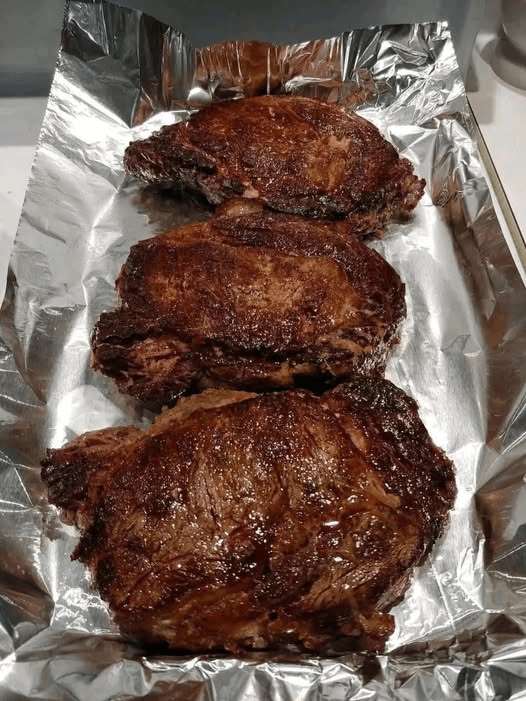
There are few meals more satisfying than a perfectly cooked ribeye steak. Rich, juicy, tender, and packed with bold beef flavor, ribeye is often considered one of the best cuts of steak for a reason. With its beautiful marbling and naturally buttery texture, this steak delivers restaurant-quality results right from your own kitchen.
Many people believe cooking steak at home is difficult or intimidating, but the truth is that a great ribeye recipe can be surprisingly simple. With the right seasoning, proper cooking method, and a few helpful tips, you can create an incredible steak dinner without needing expensive equipment or complicated techniques.
This ribeye steak recipe is one of my absolute favorites because it focuses on flavor, texture, and simplicity. The steaks are seasoned generously, seared until deeply golden brown, and cooked to juicy perfection. Every bite is tender, flavorful, and satisfying.
The first time I made this recipe, I realized how unnecessary complicated steak marinades and heavy sauces can be when you start with a high-quality ribeye. This cut already has so much natural flavor that simple seasonings are often all you need to create an unforgettable meal.
Whether you are preparing a special dinner, celebrating a holiday, hosting guests, or simply craving a comforting homemade steak, this recipe is guaranteed to impress.
Why Ribeye Steak Is So Popular
Ribeye steak comes from the rib section of the cow and is known for its rich marbling. Marbling refers to the thin streaks of fat running through the meat. During cooking, this fat melts into the steak, creating incredible flavor and tenderness.
Unlike leaner cuts, ribeye remains juicy even when cooked at high temperatures. This makes it one of the most forgiving steaks to prepare, especially for beginners.
Ribeye is also versatile because it can be cooked in several ways:
- Pan-seared
- Grilled
- Oven-roasted
- Air-fried
- Reverse-seared
No matter the method, the result is usually flavorful and satisfying.
Ingredients
2 ribeye steaks
2 tablespoons olive oil
1 teaspoon garlic powder
1 teaspoon onion powder
1 teaspoon smoked paprika
1 teaspoon salt
1/2 teaspoon black pepper
2 tablespoons butter
3 garlic cloves, smashed
2 sprigs fresh rosemary or thyme
Choosing the Best Ribeye Steaks
The quality of your steak makes a huge difference in the final result.
Look for ribeye steaks that have:
- Good marbling throughout the meat
- Bright red color
- Even thickness
- Fresh appearance
Thicker steaks usually cook more evenly and stay juicier. Ribeye steaks that are about 1 to 1 1/2 inches thick work especially well for this recipe.
Bone-in ribeye steaks often have even more flavor, though boneless ribeyes are easier to cook evenly and slice.
Why Simple Seasoning Works Best
One of the biggest mistakes people make with steak is overcomplicating the seasoning.
Ribeye already has incredible natural flavor because of its marbling. Simple spices help enhance the beef instead of covering it up.
Garlic powder and onion powder add savory depth, smoked paprika adds warmth and color, while salt and black pepper create balance and bring out the steak’s natural richness.
Butter, garlic, and fresh herbs added during cooking create a luxurious finish that makes the steak taste like it came from a steakhouse.
Step 1: Bring the Steaks to Room Temperature
Remove the ribeye steaks from the refrigerator about 30 to 45 minutes before cooking.
Allowing the meat to come closer to room temperature helps it cook more evenly. Cold steaks placed directly into a hot pan often cook unevenly, resulting in an overcooked exterior and undercooked center.
Pat the steaks dry using paper towels. This step is very important because dry surfaces create better browning during cooking.
Step 2: Season the Steaks
In a small bowl, combine:
- Garlic powder
- Onion powder
- Smoked paprika
- Salt
- Black pepper
Rub the steaks with olive oil on all sides.
Sprinkle the seasoning mixture evenly over both steaks, pressing gently so the spices adhere to the meat.
Do not be afraid to season generously. Thick ribeye steaks can handle bold seasoning very well.
Step 3: Preheat the Pan
Place a heavy skillet or cast iron pan over medium-high to high heat.
Cast iron works especially well because it retains heat and creates an incredible crust on the steak.
Allow the pan to become very hot before adding the steaks. A properly heated pan is essential for achieving deep golden-brown searing.
Step 4: Sear the Ribeye Steaks
Carefully place the steaks into the hot skillet.
You should hear an immediate sizzling sound when the meat touches the pan.
Cook the steaks without moving them for about 3 to 4 minutes on the first side. This helps develop a rich crust.
Flip the steaks and cook the second side for another 3 to 4 minutes.
The exact cooking time depends on the thickness of the steaks and your preferred doneness.
Step 5: Add Butter, Garlic, and Herbs
Reduce the heat slightly.
Add butter, smashed garlic cloves, and rosemary or thyme to the skillet.
As the butter melts, tilt the pan slightly and spoon the melted butter over the steaks repeatedly. This process, often called basting, adds incredible flavor while helping keep the meat juicy.
Continue cooking until the steaks reach your preferred internal temperature.
Steak Doneness Guide
Using a meat thermometer is the most accurate way to cook steak perfectly.
- Rare: 125°F (52°C)
- Medium rare: 135°F (57°C)
- Medium: 145°F (63°C)
- Medium well: 150°F (66°C)
- Well done: 160°F (71°C)
Most steak lovers prefer ribeye cooked to medium rare because it keeps the meat tender and juicy while allowing the marbling to fully melt.
Step 6: Rest the Steaks
Once cooked, transfer the steaks to a plate or cutting board.
Let them rest for at least 5 to 10 minutes before slicing.
Resting is extremely important because it allows the juices to redistribute throughout the meat. Cutting into steak too early causes those juices to run out, leaving the meat drier.
Why Resting Matters
During cooking, the heat pushes juices toward the center of the steak.
Resting gives the fibers time to relax and reabsorb those juices evenly.
The result is a steak that stays moist, tender, and flavorful in every bite.
Serving Suggestions
Ribeye steak pairs beautifully with many side dishes.
Some excellent options include:
- Mashed potatoes
- Air fryer potatoes
- Roasted vegetables
- Garlic butter mushrooms
- Creamed spinach
- Caesar salad
- Rice pilaf
- Grilled asparagus
You can also serve the steak with sauces like garlic butter, peppercorn sauce, chimichurri, or mushroom sauce.
Tips for the Perfect Ribeye Steak
Use High Heat
A hot pan creates the flavorful crust that makes steak taste incredible.
Pat the Steak Dry
Moisture prevents proper browning.
Avoid Overcrowding
Cook steaks separately if necessary so the pan stays hot.
Let the Steak Rest
This keeps the meat juicy.
Use a Meat Thermometer
It removes guesswork and helps achieve perfect doneness every time.
Common Mistakes to Avoid
Cooking Cold Steak
Cold meat cooks unevenly.
Flipping Too Often
Let the steak develop a crust before turning it.
Overcooking
Ribeye is best when slightly pink in the center.
Skipping the Resting Time
This leads to dry steak.
Alternative Cooking Methods
Grilled Ribeye
Cook over high heat for smoky flavor and beautiful grill marks.
Oven-Finished Ribeye
After searing, transfer the skillet to a preheated oven at 400°F (204°C) to finish cooking.
Reverse Sear Method
Cook the steak slowly in the oven first, then finish with a hot sear for exceptional texture.
Air Fryer Ribeye
Cook at 400°F (204°C) for about 8 to 12 minutes depending on thickness and desired doneness.
Flavor Variations
Garlic Butter Ribeye
Increase the butter and garlic for extra richness.
Spicy Cajun Ribeye
Add cayenne pepper and Cajun seasoning.
Herb Crusted Steak
Use rosemary, thyme, oregano, and parsley.
Coffee Rub Ribeye
Add finely ground coffee to the seasoning mix for deep smoky flavor.
Storing Leftovers
Store leftover steak in an airtight container in the refrigerator for up to 3 days.
To reheat, warm gently in a skillet with a little butter to prevent drying out.
Leftover ribeye can also be sliced thinly and used in:
- Steak sandwiches
- Salads
- Wraps
- Tacos
- Rice bowls
Final Thoughts
This ribeye steak recipe proves that incredible steakhouse flavor can absolutely be achieved at home. With a simple seasoning blend, proper searing, and a little patience, you can create juicy, tender, deeply flavorful steaks that rival restaurant-quality meals.
The rich marbling of ribeye combined with butter, garlic, and fresh herbs creates a meal that feels comforting, satisfying, and special all at once.