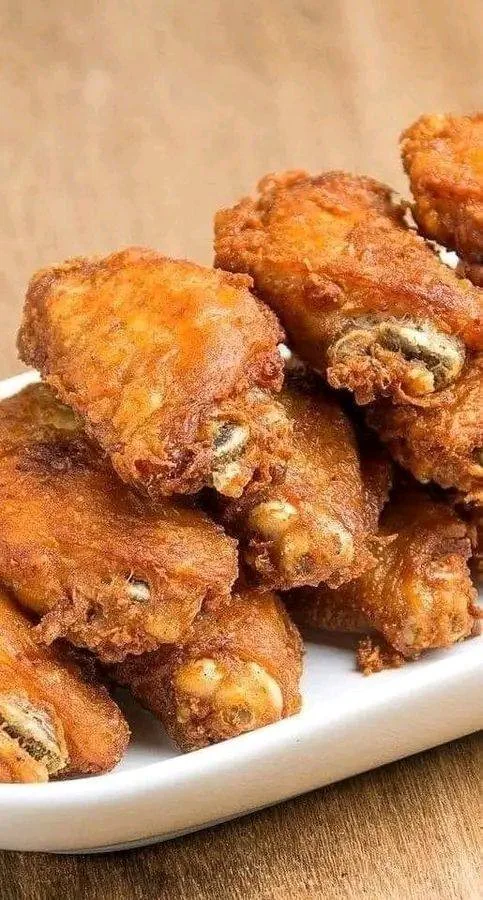
Air fryer breaded chicken wings are a perfect combination of crispy texture and juicy flavor without the heaviness of deep frying. This method uses hot circulating air to achieve a golden, crunchy coating while keeping the inside tender and moist. Below is a complete, detailed guide that walks you through every step, including preparation, technique, tips, variations, and serving ideas so you can consistently make excellent wings at home.
Overview
Breaded chicken wings in the air fryer are ideal for quick meals, game nights, or casual gatherings. Compared to traditional frying, the air fryer uses significantly less oil while still delivering a satisfying crunch. The breading adheres well to the wings when properly prepared, and the seasoning blend enhances the natural flavor of the chicken without overpowering it.
Ingredients
- 1 pound (480 g) chicken wings (split into flats and drumettes, tips removed if preferred)
- 3 tablespoons vegetable oil
- 1/2 cup all-purpose flour
- 1/2 teaspoon smoked paprika
- 1/2 teaspoon garlic powder
- 1/2 teaspoon kosher salt
- 1/2 teaspoon crushed peppercorn
Equipment Needed
- Air fryer
- Mixing bowls
- Tongs or clean hands for coating
- Paper towels
- Plate or tray
Preparation Steps
1. Preparing the Chicken Wings
Start by thoroughly patting the chicken wings dry with paper towels. This step is essential because excess moisture prevents the breading from sticking properly and can result in a soggy coating. Dry skin helps the flour mixture adhere better and promotes crispiness during cooking.
If your wings are whole, cut them into drumettes and flats using a sharp knife or kitchen shears. Remove the tips if desired, as they tend to burn more easily and contain less meat.
2. Seasoning the Flour Mixture
In a medium bowl, combine the all-purpose flour, smoked paprika, garlic powder, kosher salt, and crushed peppercorn. Mix thoroughly to ensure even distribution of spices. This seasoned flour will form the base of your crispy coating.
Smoked paprika adds a subtle depth and slight smokiness, while garlic powder enhances savory notes. The crushed peppercorn provides a mild heat and texture.
3. Coating the Wings
Place the chicken wings in a separate bowl and drizzle them with the vegetable oil. Toss well to ensure each piece is lightly coated. The oil helps the breading stick and contributes to browning in the air fryer.
Next, add the wings to the flour mixture. Toss them until all surfaces are evenly coated. Press the flour mixture gently onto the wings to create a thicker, more textured crust.
For an extra crispy coating, you can let the breaded wings rest for 10–15 minutes. This allows the flour to hydrate slightly and adhere more firmly.
Cooking Instructions
4. Preheating the Air Fryer
Preheat your air fryer to 375°F (190°C) for about 3–5 minutes. Preheating ensures even cooking and helps the coating crisp up immediately when the wings are placed inside.
5. Arranging the Wings
Place the breaded wings in the air fryer basket in a single layer. Avoid overcrowding, as this restricts airflow and leads to uneven cooking. Cook in batches if necessary.
6. Air Frying Process
Cook the wings at 375°F (190°C) for 20–25 minutes. Flip them halfway through cooking, around the 10–12 minute mark, to ensure even browning on both sides.
As they cook, the coating will turn golden brown and crispy. The internal temperature of the chicken should reach 165°F (74°C) for safe consumption.
If you prefer extra crispiness, increase the temperature to 400°F (200°C) for the final 3–5 minutes.
Texture and Flavor Profile
Properly cooked air fryer breaded wings have a crunchy outer layer with a slightly rough, textured crust. Inside, the meat remains juicy and tender. The seasoning is balanced, offering mild smokiness, savory garlic notes, and a subtle peppery finish.
Unlike deep-fried wings, these are lighter and less greasy, making them easier to eat in larger portions without feeling overly heavy.
Tips for Best Results
Drying is Critical
Moisture is the enemy of crispiness. Always dry the wings thoroughly before seasoning and coating.
Don’t Skip the Oil
Even though the air fryer uses less oil, a small amount is necessary for browning and helping the breading adhere.
Avoid Overcrowding
Air circulation is what makes the air fryer effective. Crowding reduces crispiness and leads to uneven cooking.
Flip for Even Cooking
Turning the wings halfway ensures both sides get evenly crisp.
Rest After Cooking
Let the wings rest for a few minutes after cooking. This helps the juices redistribute and keeps the coating intact.
Flavor Variations
Once you master the basic recipe, you can easily customize the flavor:
Spicy Version
Add cayenne pepper or chili powder to the flour mixture for heat.
Herb-Infused Wings
Mix in dried thyme, oregano, or parsley for an herby profile.
Parmesan Crust
Add grated parmesan cheese to the flour mixture for a richer, savory crust.
Sweet and Spicy
After cooking, toss the wings in a mixture of honey and hot sauce for a sticky glaze.
Serving Suggestions
These wings pair well with a variety of sides and dips:
- Classic ranch or blue cheese dressing
- Fresh celery and carrot sticks
- French fries or potato wedges
- Coleslaw for a refreshing contrast
You can also serve them as part of a larger spread with other appetizers.
Storage and Reheating
Storing
Place leftover wings in an airtight container and refrigerate for up to 3 days.
Reheating
Reheat in the air fryer at 350°F (175°C) for 5–7 minutes to restore crispiness. Avoid microwaving, as it softens the coating.
Nutritional Perspective
Air fryer wings are generally lower in fat compared to deep-fried versions because they use less oil. However, they still provide protein and can be part of a balanced meal when paired with vegetables or lighter sides.
Common Mistakes to Avoid
- Skipping preheating, which can lead to uneven cooking
- Using too much oil, making the coating soggy
- Not flipping the wings during cooking
- Overcooking, which dries out the meat
- Under-seasoning the flour mixture
Conclusion
Air fryer breaded chicken wings are a simple yet satisfying dish that delivers on both flavor and texture. With minimal ingredients and straightforward steps, you can create a crispy, golden exterior and juicy interior without the need for deep frying. The versatility of the seasoning allows for endless customization, making this recipe suitable for a variety of tastes and occasions.