
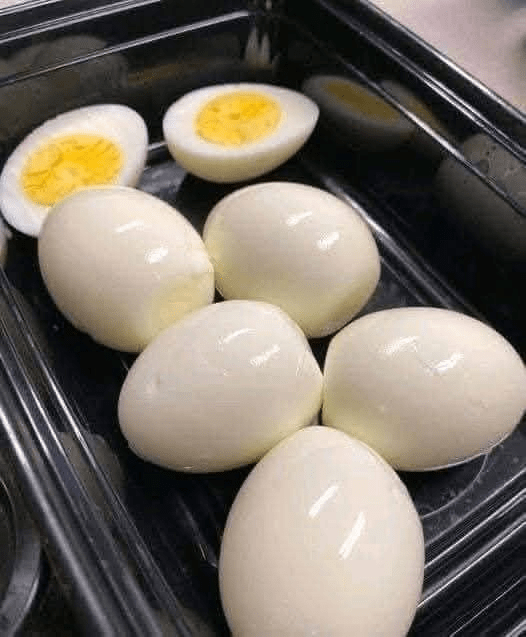
Traditional boiling can be inconsistent. Factors like water temperature, egg age, and timing can all affect how easily eggs peel and how the yolk turns out. This alternative method removes much of that guesswork. By cooking eggs in a controlled dry environment, you get more predictable results and a texture that many people find superior.
This method works particularly well for meal prep, large batches, or when you want uniform doneness across multiple eggs.
Ingredients
- Eggs (as many as you want to cook; large eggs work best for consistent timing)
- Ice
- Cold water
That’s it. No salt, vinegar, or special additives are required.
Equipment Needed
- Oven or air fryer
- Muffin tin (for oven method) or air fryer basket
- Bowl large enough for an ice bath
- Tongs or spoon for handling hot eggs
Method 1: Oven “Boiled” Eggs
Step 1: Preheat the Oven
Set your oven to 325°F (165°C). Allow it to fully preheat before placing the eggs inside. This ensures even cooking from the start.
Step 2: Arrange the Eggs
Place each egg into a muffin tin cavity. This prevents them from rolling around and helps distribute heat evenly. If you don’t have a muffin tin, you can place the eggs directly on the oven rack, but be cautious as they may shift.
Step 3: Bake the Eggs
Place the muffin tin in the center of the oven and bake for 25–30 minutes.
- 25 minutes: slightly softer yolks (still fully set but creamier)
- 28–30 minutes: fully firm yolks
You may notice small brown spots on the shells after baking. This is normal and does not affect the inside of the egg.
Step 4: Prepare an Ice Bath
While the eggs are cooking, fill a large bowl with ice and cold water. This step is critical for stopping the cooking process and making peeling easier.
Step 5: Transfer Eggs to Ice Bath
Once the eggs are done, immediately remove them from the oven and place them into the ice bath. Let them sit for at least 10 minutes.
This rapid cooling causes the egg to contract slightly inside the shell, which helps separate the membrane and makes peeling much easier.
Step 6: Peel the Eggs
Gently tap each egg on a hard surface to crack the shell, then roll it lightly to loosen. Start peeling from the wider end, where there is usually a small air pocket.
You’ll likely notice that the shell slides off cleanly, often in large pieces, leaving a smooth, intact egg.
Method 2: Air Fryer Eggs
Step 1: Preheat the Air Fryer
Set your air fryer to 270°F (130°C) and let it preheat for a few minutes.
Step 2: Place the Eggs in the Basket
Arrange the eggs in a single layer. There’s no need for a tray or liner, but avoid stacking.
Step 3: Cook the Eggs
Cook for 15–17 minutes depending on your desired doneness:
- 15 minutes: slightly softer centers
- 17 minutes: fully firm yolks
Step 4: Ice Bath
Transfer the eggs immediately to an ice bath and let them cool for 10 minutes before peeling.
Why This Method Works
The key to easy-peel eggs lies in how the proteins in the egg white set and how the membrane interacts with the shell.
When eggs are cooked in water, rapid boiling can cause the whites to bond tightly to the inner membrane, especially if the eggs are very fresh. This leads to difficult peeling.
With the oven or air fryer method:
- Heat is more gradual and evenly distributed
- The egg cooks consistently from all sides
- The membrane separates more cleanly from the shell
- The ice bath enhances this separation even further
The result is a smooth, clean peel nearly every time.
Texture and Flavor
Eggs cooked this way tend to have:
- Firm but tender whites
- Creamy, evenly cooked yolks
- No gray-green ring around the yolk (a sign of overcooking in boiled eggs)
The flavor is slightly richer, possibly due to the dry heat environment, which concentrates the natural taste of the egg.
Tips for Perfect Results
Use Slightly Older Eggs
Eggs that are a few days to a week old peel more easily than very fresh eggs.
Don’t Skip the Ice Bath
This is essential for stopping the cooking process and ensuring easy peeling.
Adjust Timing for Your Preference
Every oven and air fryer is slightly different. You may need to experiment once or twice to find your ideal timing.
Expect Minor Shell Spots
Brown speckles on the shell are normal when baking eggs and do not affect quality.
Common Mistakes to Avoid
- Cooking at too high a temperature, which can cause rubbery whites
- Skipping preheating, leading to uneven cooking
- Not cooling the eggs quickly enough
- Overcooking, which can lead to dry yolks
Storage
Once peeled or unpeeled, store the eggs in an airtight container in the refrigerator.
- Unpeeled eggs: up to 1 week
- Peeled eggs: best consumed within 3–5 days
You can also store peeled eggs in a container of water (changed daily) to keep them fresh longer.
Serving Ideas
These eggs are incredibly versatile. You can enjoy them:
- Sliced on toast or avocado
- Chopped into salads
- Mashed into egg salad
- Sprinkled with salt, pepper, or paprika for a simple snack
- Used in sandwiches or wraps
They’re also ideal for meal prep because they hold their shape and texture well.
Batch Cooking Advantage
One of the biggest benefits of this method is how easy it is to cook large quantities at once. With a muffin tin or a spacious air fryer, you can prepare a dozen or more eggs in a single batch without needing a large pot of water.
This makes it perfect for:
- Weekly meal prep
- Family breakfasts
- High-protein snacks
Final Thoughts
Switching from traditional boiling to this oven or air fryer method can completely change how you feel about making hard-cooked eggs. The process is simpler, cleaner, and far more consistent. No more watching pots, adjusting heat, or dealing with stubborn shells.